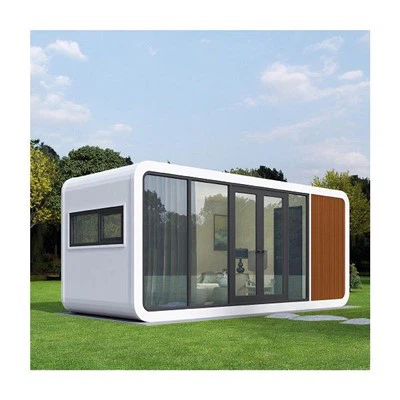

In recent years, container houses have gained increasing popularity due to their cost - effectiveness, portability, and eco - friendliness. As a container house supplier, I've witnessed the growing demand for container houses in various settings, from residential areas to commercial and industrial sites. However, one of the challenges that often comes up is how to make a container house blend in with the surrounding environment. In this blog, I'll share some practical strategies to help you achieve this goal, whether it's a 10ft Flat Pack Container, a Flat Pack Container Dormitory, or other types of container houses.
1. Architectural Design Adaptation
The first step in making a container house blend in with the environment is to consider the architectural style of the surroundings. Every region has its unique architectural features, such as roof slopes, window sizes and shapes, and building materials. For example, in a mountainous area, traditional houses may have steeply - pitched roofs to shed snow and rain effectively. If you're building a container house in such a place, you can modify the container's roof to mimic this style. You can add angled extensions to the flat container roof, creating a more natural and harmonious look with the neighboring buildings.
Moreover, observe the scale of the buildings in the area. If it's a neighborhood of small, bungalow - style houses, a large, multi - container structure may stick out like a sore thumb. You can break down the container house into smaller, more modular units or use a single container and add exterior elements to make it fit the scale. For instance, adding a porch or a small deck can reduce the visual bulk of the container and make it appear more in line with the local houses.
2. Color and Material Selection
Colors and materials play a crucial role in the visual integration of a container house. When choosing colors for the exterior of the container house, look at the natural and man - made color palette of the surroundings. In a coastal area, blues and grays can mirror the ocean and the sky, while earthy browns and greens are suitable for a forested or rural environment.
You can use paint to transform the steel exterior of the container. Opt for matte finishes instead of glossy ones, as they tend to absorb light and blend in better. Additionally, you can cover the container with natural materials like wood panels, stone veneer, or bamboo. Wood gives a warm, inviting look and is often associated with traditional architecture. Stone veneer can add a sense of permanence and solidity, similar to that of historic buildings. Bamboo is a sustainable option that can bring an exotic and natural feel to the container house. For example, a Detachable Container Office can be clad in wooden panels to make it more inviting and in harmony with a garden - like office park.
3. Landscaping Integration
Landscaping is an excellent way to make a container house blend in seamlessly with the environment. Start by analyzing the existing flora in the area. If it's a desert region, choose drought - tolerant plants like cacti and succulents. In a humid area, you can plant tropical plants and flowers.
Create a buffer between the container house and the surrounding environment using plants. For example, you can plant tall shrubs or small trees along the perimeter of the container house. This not only softens the harsh lines of the container but also provides privacy. You can also add a garden in the front or back of the container house. Vegetable gardens or flower beds can make the house look more lived - in and integrated into the neighborhood.
If the container house is located near a body of water, you can design a landscape that connects to it. For instance, create a small patio or deck that overlooks the water, and add water - loving plants like reeds or water lilies to the edge of the water. A Folding Container Farm House would greatly benefit from a well - designed landscape, as it can enhance the agricultural and natural feel of the property.
4. Interior - Exterior Connection
Establishing a strong connection between the interior and the exterior of the container house can also contribute to its integration with the environment. Large windows and glass doors can bring the outside in, allowing natural light and views of the surrounding landscape to flood the interior. This makes the container house feel like an extension of the environment.
When designing the interior, use natural materials such as wood flooring, stone countertops, and plant - based textiles. These materials not only create a warm and comfortable atmosphere but also echo the natural elements outside. For example, if there are mountains visible from the container house, you can use stone accents in the interior to draw a connection to the rock formations in the distance. A Z Shape Folding Container House can be designed with large glass panels on the sides that face the most scenic views, creating a seamless transition between the indoor and outdoor space.
5. Community and Cultural Considerations
It's essential to understand the community and cultural context of the area where the container house will be located. Some communities may have specific building codes or aesthetic guidelines that you need to follow. Engage with the local community early in the planning process. Attend neighborhood meetings, talk to the neighbors, and get their input on the design of the container house.
Respect the cultural heritage of the area. If there are traditional building practices or symbols that are significant to the community, try to incorporate them into the design of the container house. For example, if the area has a long - standing tradition of using certain decorative patterns on buildings, you can apply similar patterns to the container house's exterior or interior walls.
In conclusion, making a container house blend in with the surrounding environment is a multi - faceted process that involves architectural design, color and material selection, landscaping, interior - exterior connection, and community engagement. By carefully considering these aspects, you can create a container house that not only meets your functional needs but also becomes an integral part of the local landscape.
As a container house supplier, I'm dedicated to helping you create the perfect container house that fits seamlessly into its surroundings. Whether you're interested in a 10ft Flat Pack Container, a Flat Pack Container Dormitory, a Detachable Container Office, a Folding Container Farm House, or a Z Shape Folding Container House, I have the expertise and resources to assist you. If you're interested in learning more about our container house options or have a specific project in mind, please feel free to reach out for procurement discussions.


References
- Architects' Journal. "Integrating Modern Architecture with Traditional Landscapes."
- National Geographic. "Sustainable Living in Container Homes."
- Journal of Environmental Design. "The Role of Landscaping in Building - Environment Integration."