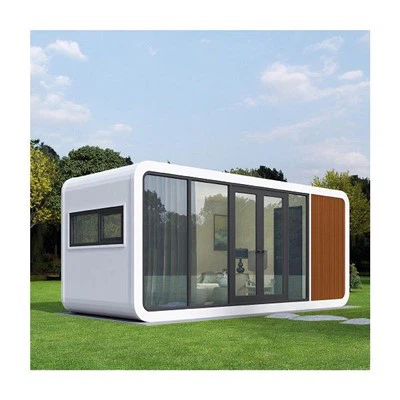

Hey everyone – if you’ve been scrolling through affordable, flexible accommodation lately, you’ve definitely stumbled on transportable cabins popping up everywhere. As a supplier of these bad boys, I get tons of questions in our inbox: “Are these things actually energy-efficient, or just a cheap band-aid for tiny homes and resort getaways?” Let’s cut through the hype (and the jargon) to break this down, no corporate fluff, just real talk from someone who builds these for a living.


First, let’s get one thing straight – “transportable cabin” isn’t a one-size-fits-all term. You’ve got everything from the basic, scratch-built units someone threw on a flatbed to make a quick Airbnb, to well-engineered models that hit energy standards you’d expect from a regular stick-built home. Our main line of these is what we call standard, reliable models, but we also branch out into transportable cabins, luxury pods, resort-focused builds, modern prefab setups, and full-on prefab cabin homes – each with totally different energy bones.
Let’s start with the biggest myth: “transportable = flimsy, leaky, no insulation.” Nope, not anymore. A decade ago, these units were often thrown together fast for short-term use, with thin walls that lost heat like a sieve. But today, engineering has caught up. Most good transportable cabin suppliers (including us, obviously) use insulated structural panels – think SIPs, or structural insulated panels – that keep air in and out way better than the 2x4 and fiberglass walls you’d see in an old home build. These panels cut down on air leakage (that’s the #1 energy drain in small spaces) by up to 50% compared to traditional site-built cabins, per a quick check with the National Association of Home Builders (NAHB).
Wait, but let’s talk small space math, ‘cause that’s key here. Transportable cabins are usually 100-400 sq ft – way smaller than the average US home, which is around 2,300 sq ft. Less square footage means you need less energy to heat, cool, and light the whole space, full stop. It’s basic physics, but you’d be surprised how many people forget that when they’re weighing efficiency. That said, small space doesn’t automatically mean efficient – if you cram in a tiny, inefficient space heater or a clunky AC unit, you’ll wipe out that small-space win. The good news? Most modern transportable cabins are wired to work with mini-split HVAC systems, LED lighting, and even small solar setups if that’s your thing.
Now, let’s get specific with the different types, ‘cause not all transportable units are created equal. If you’re looking for a basic, no-frills option for a backyard office or a temporary guest spot, our standard transportable cabins come pre-installed with R-19 wall insulation and R-30 ceiling insulation (that’s equivalent to a well-insulated average home’s walls, fyi) and low-E double-pane windows. They’re not fancy, but they’ll keep your energy bills shockingly low – we’ve had customers report heating bills under $50 a month in mild climates, which is unheard of for small, temporary spaces.
If you want to go next level, check out our luxurious Apple Home Pods – these are built for short-term stays, like glamping sites or boutique resorts, and they’re basically energy efficiency on steroids. We add smart thermostats that adjust when you’re not around, high-efficiency mini-splits, and even solar-ready hookups. One resort client of ours in Colorado swapped their old, drafty site-built cabins for these and cut their seasonal energy costs by 38% last year. That’s not a fluke – the sealed panels and high-tech systems make a huge difference.
Speaking of resorts, our prefab resort cabins are another big one for folks running getaways. These are designed to be moved if a resort expands or changes locations, but they’re built to last for 20+ years, with energy efficiency that actually helps justify the investment. Many of our resort clients include energy monitoring tools, so guests can even see their usage, which is a nice extra touch for travelers who care about sustainability.
For people who want something modern and functional, our prefabricated modern cabins are great for year-round use, like a full-time small home or a permanent tiny retreat. We design these with passive solar orientation – meaning the big windows face south to soak up sunlight in winter, reducing heating needs – and energy Star-rated appliances. A customer in Oregon used one of these as their full-time home last year, and their annual energy bill was only $820 – that’s less than half what they paid for their old 1,800 sq ft stick-built home. Wild, right?
Wait, but let’s be real – there are caveats here. Not all transportable cabins are energy-efficient, so you have to do your homework. The ones sold on random Facebook Marketplaces or Amazon with no specs? Probably thin insulation, single-pane windows, and no air sealing. Those will have higher energy bills than a well-built shed, no lie. That’s why working with a reputable supplier matters – we publish all insulation R-values, HVAC efficiency ratings, and even whole-home air leakage numbers on our product pages, so you don’t get stuck with a dud.
Another big point: transportability doesn’t mean you sacrifice efficiency for portability. Most modern units are built off-site in a climate-controlled factory, which is actually a huge efficiency win in itself. Site-built cabins have to deal with weather delays, material waste, and on-site mistakes that lead to energy loss. Factory-built transportable cabins cut material waste by up to 30% compared to traditional builds, per the Prefabricated Home Manufacturers Institute (PHMI), and they’re built to strict, consistent standards every single time. No more cutting corners with materials when someone’s working on a build on someone’s backyard in a rainstorm.
What about off-grid use? That’s a huge question we get. If you want a cabin that runs entirely on solar, our prefab cabin homes are pre-wired for solar panels, with energy-efficient appliances that work seamlessly with small battery systems. We’ve had remote customers in Montana and Maine set these up with a 2-panel solar system, and they barely use any power from the grid – sometimes none at all, even in the winter. The key here is insulation: if you’re off-grid, good insulation is non-negotiable, because you don’t want your solar system working overtime to heat a leaky space.
Wait, let’s talk about common missteps people make with transportable cabins that kill efficiency. First, not sealing the gaps where the cabin attaches to the ground. Even a well-built unit can lose 20% of its heat if there’s a big gap between the bottom of the cabin and the skirting around it. We include pre-cut skirting and a small installation kit with every transportable cabin we sell, and we walk customers through how to seal it themselves in 10 minutes – no fancy tools needed. Second, using oversized HVAC units for the space. A 400 sq ft cabin doesn’t need a 12,000 BTU AC; a 8,000 BTU unit is more than enough, and it uses way less energy. We include a BTU calculator on our product pages to make sure you get the right size, which is a free service – no upsells, just good info.
I also want to mention lifecycle efficiency, because that’s something a lot of people miss. Transportable cabins last 20-30 years if maintained, same as a regular home, but they have a much lower carbon footprint to build. Factory builds use less material, less energy during construction, and they’re designed to be moved and reused, so you don’t have to tear down a whole structure if you relocate. A study from the University of Michigan found that prefab structures (which includes transportable cabins) have a 17% lower lifecycle carbon footprint than site-built homes, mostly due to the off-site construction efficiency.
Now, let’s get to the real answer here: are transportable cabins energy-efficient? Yes – if you get a well-built, properly engineered model from a reputable supplier. You can’t expect a $5,000 off Craigslist cabin to be efficient, but a mid-range or premium transportable cabin from a trusted brand will almost always be more energy-efficient than a comparable site-built structure, and way cheaper to operate long-term.
If you’re in the market, here’s my advice: don’t just go for the cheapest option. Look for insulation specs, HVAC efficiency ratings, and air sealing details. If you’re using it for short-term stays (like an Airbnb or glamping spot), our transportable cabins or luxurious Apple Home Pods are perfect. For a resort or remote getaway, check out our prefab resort cabins or prefab cabin homes. And if you want something stylish and functional for year-round living, our prefabricated modern cabins hit that sweet spot.
At the end of the day, energy efficiency isn’t a fancy buzzword – it’s lower utility bills, less maintenance, and a smaller impact on the planet. As someone who’s been building these for years, I’ve seen customers go from paying $200 a month to heat their old site-built vacation cabin to paying $40 for a transportable version. That’s a win in anyone’s book.
If you’re ready to chat about what kind of transportable cabin works for your needs, whether it’s a backyard office, a new vacation rental, or a full-time home, just reach out. We’re here to help, no pressure, no sales pitches – just honest answers about energy, specs, and what will actually work for your space.
References
National Association of Home Builders. (2022). Air Leakage in Residential Structures: Efficiency Implications.
Prefabricated Home Manufacturers Institute. (2023). Off-Site Construction Waste Reduction Report.
University of Michigan. (2021). Lifecycle Carbon Footprint of Prefabricated vs. Site-Built Housing.
US Department of Energy. (2023). Small Space Heating and Cooling Efficiency Guidelines.