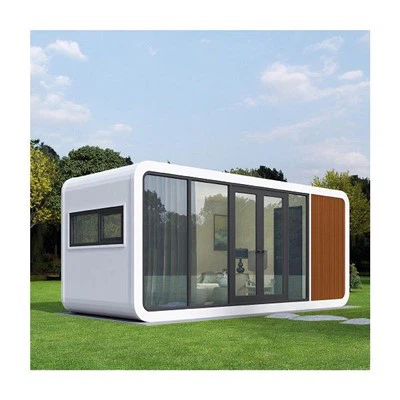

When it comes to investing in a transportable cabin, one of the most common questions that potential buyers ask is, "Are there any restrictions on the location where I can place a transportable cabin?" As a trusted supplier of transportable cabins, I understand this concern deeply, and in this blog post, I'll explore the various factors that may impose restrictions on the placement of your transportable cabin.
Local Zoning Regulations
The first and often most significant factor dictating the placement of a transportable cabin is local zoning regulations. These regulations are set by local governments to manage land use and ensure that different areas are used in a way that is beneficial for the community as a whole.
Zoning laws can vary widely from one municipality to another. Some areas might be zoned strictly for residential use, while others are designated for commercial, industrial, or agricultural purposes. If you're looking to place a transportable cabin in a residential area, it must comply with the local housing standards. This could include minimum setback requirements (the distance the cabin must be from the property line), height restrictions, and limitations on the size of the structure relative to the lot size.


For instance, if you're considering our Apple Store, which is designed for commercial use, it may not be allowed in a purely residential zone without obtaining special permission, such as a zoning variance. On the other hand, if you're eyeing a Prefab Resort Cabins for a vacation property, you need to ensure that the area is zoned for resort or short - term rental use.
Building Codes and Permits
In addition to zoning regulations, building codes play a crucial role in determining where you can place a transportable cabin. Building codes are a set of standards that ensure the safety and structural integrity of buildings. These codes cover aspects such as foundation requirements, electrical systems, plumbing, and fire safety.
Before placing a transportable cabin on your property, you'll likely need to obtain a building permit from the local building department. The process of getting a building permit involves submitting detailed plans of the cabin, including its design, size, and construction materials. The building department will review these plans to ensure that they comply with the local building codes.
For example, if you're interested in our Apple Cabin Beach House, it will need to meet specific coastal building codes. These codes often require additional reinforcement to withstand high winds, hurricanes, and flooding. Failure to comply with these codes can result in fines and even the removal of the cabin.
Environmental Restrictions
Environmental factors can also impose restrictions on the placement of a transportable cabin. Wetlands, floodplains, and protected wildlife habitats are areas where building a cabin may be restricted or prohibited.
Wetlands are important ecosystems that provide flood control, water purification, and habitat for wildlife. Many local and federal laws protect wetlands, and building a structure on or near a wetland may require special permits and environmental impact studies.
Floodplains are areas that are prone to flooding. Placing a transportable cabin in a floodplain can be risky, both for the safety of the occupants and for the longevity of the structure. In some cases, floodplain regulations may require the cabin to be elevated on a foundation or flood - proofed to prevent water damage.
If your property contains a protected wildlife habitat, such as a nesting area for endangered birds, you may be restricted from building a cabin in that area to avoid disturbing the wildlife.
Homeowners Association (HOA) Rules
If your property is part of a homeowners association, the HOA's rules and regulations can also limit where you can place a transportable cabin. HOAs are established to maintain a certain aesthetic and quality of life within a community.
HOA rules may include restrictions on the size, style, and color of structures on the property. They may also have rules regarding the placement of outbuildings, such as transportable cabins. For example, an HOA may require that all structures be set back a minimum distance from the street or that they blend in with the existing architectural style of the neighborhood.
Before purchasing a transportable cabin, it's essential to review the HOA's rules and regulations to ensure that your plans are in compliance. Failure to follow HOA rules can result in fines and legal action.
Accessibility and Infrastructure
Practical considerations such as accessibility and infrastructure also play a role in determining where you can place a transportable cabin. The cabin needs to be accessible by road for delivery and future maintenance. If the access road is too narrow, steep, or unpaved, it may be difficult or impossible to deliver the cabin to the desired location.
Infrastructure, such as water, sewer, and electrical connections, is also crucial. Your transportable cabin will need access to these utilities to be functional. If the property does not have existing infrastructure, you may need to invest in installing it, which can be a significant expense.
For example, our 20ft Apple Cabin House and 40ft Apple Cabin House require proper electrical and plumbing connections. If the property is in a remote area without access to these utilities, you'll need to explore alternative solutions, such as solar power or a septic system.
Contact Us for Further Assistance
Navigating the various restrictions on the placement of a transportable cabin can be a complex process. However, as a leading supplier of transportable cabins, we are here to help. Our team of experts has extensive knowledge of local regulations and can guide you through the process of finding a suitable location for your cabin.
Whether you're interested in a commercial cabin like our Apple Store or a cozy vacation cabin like our Prefab Resort Cabins, we can assist you in ensuring that your cabin complies with all relevant regulations.
If you have any questions or would like to discuss your specific needs, please don't hesitate to reach out. We're committed to providing you with the best possible solutions for your transportable cabin requirements.
References
- Local government zoning and building code documents
- Environmental protection agency guidelines
- Homeowners association rulebooks