

As a trusted supplier of standard apple cabins, I often get asked about the insulation used in these unique living spaces. Insulation is a crucial aspect of any cabin, as it helps maintain a comfortable indoor temperature, reduces energy costs, and enhances the overall durability of the structure. In this blog post, I'll delve into the types of insulation commonly found in standard apple cabins and explain why they are essential for a high - quality living experience.
The Importance of Insulation in Apple Cabins
Before we discuss the specific types of insulation, it's important to understand why insulation is so vital in apple cabins. These cabins are designed to provide a cozy and comfortable living environment, whether you're using them as a permanent home, a vacation retreat, or a workspace. Proper insulation helps to:
- Regulate Temperature: Insulation acts as a barrier between the interior and exterior of the cabin, preventing heat from escaping during the cold months and keeping the cabin cool in the summer. This means that you can enjoy a comfortable temperature year - round without relying too heavily on heating or cooling systems.
- Save Energy: By reducing the amount of heat transfer through the walls, roof, and floor of the cabin, insulation can significantly lower your energy bills. This is not only good for your wallet but also for the environment, as it reduces your carbon footprint.
- Enhance Comfort: A well - insulated cabin is a quiet cabin. Insulation helps to absorb sound, reducing noise pollution from the outside and creating a more peaceful and relaxing living environment. It also prevents drafts and cold spots, ensuring that every corner of the cabin is comfortable.
- Protect the Structure: Insulation can help to protect the cabin's structure from moisture and mold growth. By keeping the interior dry, it extends the lifespan of the cabin and reduces the need for costly repairs.
Types of Insulation Used in Standard Apple Cabins
Fiberglass Insulation
Fiberglass insulation is one of the most commonly used types of insulation in standard apple cabins. It is made from fine glass fibers that are woven together to form a blanket - like material. Fiberglass insulation has several advantages:
- Cost - Effective: It is relatively inexpensive compared to other types of insulation, making it a popular choice for budget - conscious buyers.
- Easy to Install: Fiberglass insulation comes in batts or rolls, which can be easily cut to fit between the studs, joists, and rafters of the cabin. This makes it a DIY - friendly option for those who want to save on installation costs.
- Good Thermal Performance: Fiberglass insulation has a high R - value, which is a measure of its thermal resistance. A higher R - value means better insulation and less heat transfer.
However, fiberglass insulation also has some drawbacks. The fine glass fibers can be irritating to the skin, eyes, and respiratory system, so it is important to wear protective gear when handling it. It can also lose its effectiveness if it gets wet, so proper moisture control is essential.
Spray Foam Insulation
Spray foam insulation has become increasingly popular in recent years, thanks to its excellent insulation properties and versatility. It is applied as a liquid that expands to fill the cavities and crevices in the cabin's structure, creating a seamless air barrier. There are two main types of spray foam insulation: open - cell and closed - cell.
- Open - Cell Spray Foam: This type of spray foam is less dense and has a lower R - value than closed - cell foam. However, it is more flexible and can absorb sound better. Open - cell spray foam is also more affordable and is a good option for interior walls and ceilings.
- Closed - Cell Spray Foam: Closed - cell spray foam is denser and has a higher R - value than open - cell foam. It is also more resistant to moisture and air infiltration, making it an excellent choice for exterior walls, roofs, and floors. Closed - cell spray foam can also provide additional structural support to the cabin.
The main advantage of spray foam insulation is its ability to create a tight seal, which helps to prevent air leakage and improve energy efficiency. However, it is more expensive than fiberglass insulation and requires professional installation.
Cellulose Insulation
Cellulose insulation is made from recycled paper products, such as newspapers and cardboard, that have been treated with fire - retardant chemicals. It is an environmentally friendly option that offers good thermal performance.

- Eco - Friendly: Cellulose insulation is made from renewable materials and helps to reduce waste. It also has a lower embodied energy compared to other types of insulation, meaning that it has a smaller environmental impact.
- Good Insulation: Cellulose insulation has a high R - value and can be blown into walls, attics, and floors to provide effective insulation. It also has good sound - absorbing properties, which can help to reduce noise pollution.
- Fire - Resistant: The fire - retardant chemicals used in cellulose insulation make it a safe option for use in cabins.
However, cellulose insulation can settle over time, reducing its effectiveness. It also needs to be protected from moisture to prevent mold growth.
Insulation in Different Parts of the Apple Cabin
Walls
The walls of a standard apple cabin are typically insulated to prevent heat loss and gain. Fiberglass batts or spray foam insulation are commonly used in wall cavities. Spray foam is particularly effective in sealing the small gaps and cracks in the walls, which can otherwise allow air to leak in and out.
Roof
The roof is an important area to insulate, as heat tends to rise. Fiberglass insulation, spray foam insulation, or cellulose insulation can be used in the roof to keep the cabin cool in the summer and warm in the winter. Closed - cell spray foam is a great option for the roof, as it provides a high - level of insulation and can also help to prevent moisture from entering the cabin.
Floor
The floor of the apple cabin also needs to be insulated to prevent heat from escaping through the ground. Foam board insulation can be installed beneath the subfloor, or spray foam can be used to fill the cavities between the floor joists. This helps to maintain a comfortable temperature inside the cabin and reduces the risk of cold floors.
Our Standard Apple Cabin Products
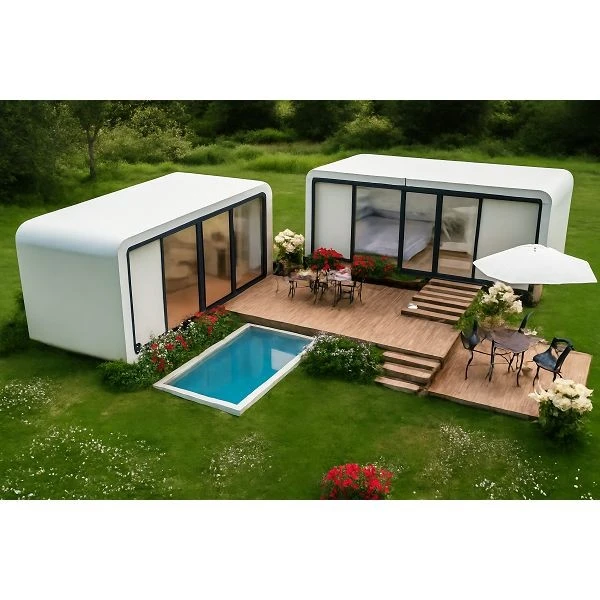
At our company, we offer a range of standard apple cabins with high - quality insulation. Our products include:
- 20ft Apple Cabin House: This compact and stylish cabin is perfect for a single person or a small family. It is well - insulated with a combination of fiberglass and spray foam insulation to ensure maximum comfort.
- 40ft Apple Cabin House: For those who need more space, our 40ft apple cabin house provides a spacious living environment. It is insulated to the highest standards, using the latest insulation materials and techniques.
- Integral Cabins: Our integral cabins are designed for easy installation and durability. They feature a unique insulation system that combines different types of insulation for optimal performance.
- Apple Cabin House Expandible: This innovative cabin can be expanded as your needs change. It has excellent insulation properties, ensuring that the additional space is as comfortable as the original cabin.
- Prefabricated Modern Cabins: Our prefabricated modern cabins are built with high - quality materials and advanced insulation technology. They offer a contemporary living experience with the benefits of energy efficiency.
Contact Us for Procurement
If you're interested in purchasing a standard apple cabin, we'd love to hear from you. Our team of experts can provide you with more information about our products, including the insulation types used, pricing, and installation. We are committed to providing our customers with the best quality cabins at competitive prices. Whether you're looking for a cozy retreat or a full - time living space, our standard apple cabins are a great choice. So, don't hesitate to get in touch with us for a quote and to start discussing your procurement needs.
References
- American Society of Heating, Refrigerating and Air - Conditioning Engineers (ASHRAE). (2023). ASHRAE Handbook: Fundamentals.
- Building Science Corporation. (2023). Insulation and Moisture Management in Residential Buildings.
- U.S. Department of Energy. (2023). Energy Efficiency and Renewable Energy: Home Energy Saver.