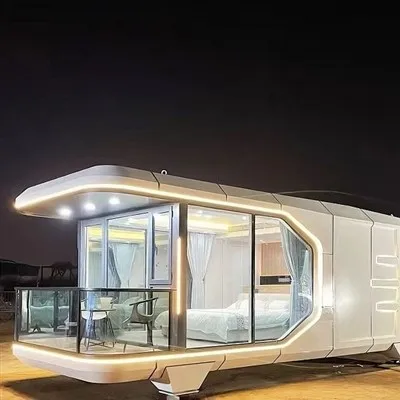

The ventilation in capsule hotels is a crucial factor that significantly impacts guests' comfort and health. As a supplier of capsule hotels, I've delved deep into this topic to ensure that the products we offer meet high - standard ventilation requirements.
The Importance of Ventilation in Capsule Hotels
Ventilation in capsule hotels is not just a luxury; it's a necessity. Capsule rooms are relatively small, often with limited personal space. When multiple guests are staying in a confined area, the air quality can quickly deteriorate. Without proper ventilation, carbon dioxide levels can rise as guests exhale, leading to feelings of drowsiness, headaches, and reduced cognitive function. Moreover, moisture from breathing and perspiration can accumulate, creating a damp environment that is conducive to the growth of mold and mildew, which can cause respiratory problems.
Common Ventilation Systems in Capsule Hotels
There are several types of ventilation systems commonly used in capsule hotels. The most basic form is natural ventilation. This can be achieved through small vents or openings in the capsule walls. Natural ventilation is cost - effective and energy - efficient. However, it has limitations. It is highly dependent on external weather conditions. In hot and humid weather, natural ventilation may not be sufficient to remove heat and moisture from the capsules. Also, in areas with high levels of air pollution, natural ventilation can introduce pollutants into the capsules.
Mechanical ventilation systems are a more reliable option. These systems use fans to circulate air in and out of the capsules. There are two main types of mechanical ventilation: exhaust - only and supply - and - exhaust. Exhaust - only systems work by removing stale air from the capsules. They create a negative pressure inside the capsules, which draws in fresh air through small openings. Supply - and - exhaust systems, on the other hand, actively supply fresh air into the capsules while simultaneously exhausting stale air. This type of system provides better control over air quality and can be adjusted according to the number of guests and the time of day.
Our Approach to Ventilation in Capsule Hotels
As a capsule hotel supplier, we prioritize ventilation in our product design. We combine the advantages of natural and mechanical ventilation to ensure optimal air quality. Our capsules are designed with small, strategically placed vents for natural air intake. These vents are equipped with filters to prevent dust and insects from entering.
In addition to natural ventilation, we install high - performance mechanical ventilation systems. Our supply - and - exhaust systems are energy - efficient, using low - power fans that operate quietly. The fans are designed to provide a consistent flow of fresh air into the capsules while removing stale air. The air intake is sourced from outside the building, ensuring that guests are breathing in clean, fresh air.
We also pay attention to the ventilation layout within the hotel. The capsules are arranged in a way that allows for efficient air circulation. There are dedicated air corridors between rows of capsules to ensure that fresh air can reach every unit.

The Role of Technology in Ventilation
Technology plays an important role in enhancing ventilation in capsule hotels. We use smart sensors to monitor air quality inside the capsules. These sensors detect levels of carbon dioxide, temperature, and humidity. Based on the data collected, the ventilation system can automatically adjust the fan speed and air flow rate. This ensures that the air quality remains at a comfortable level at all times, regardless of the number of guests or external conditions.
Advanced Capsule Hotel Products and Ventilation
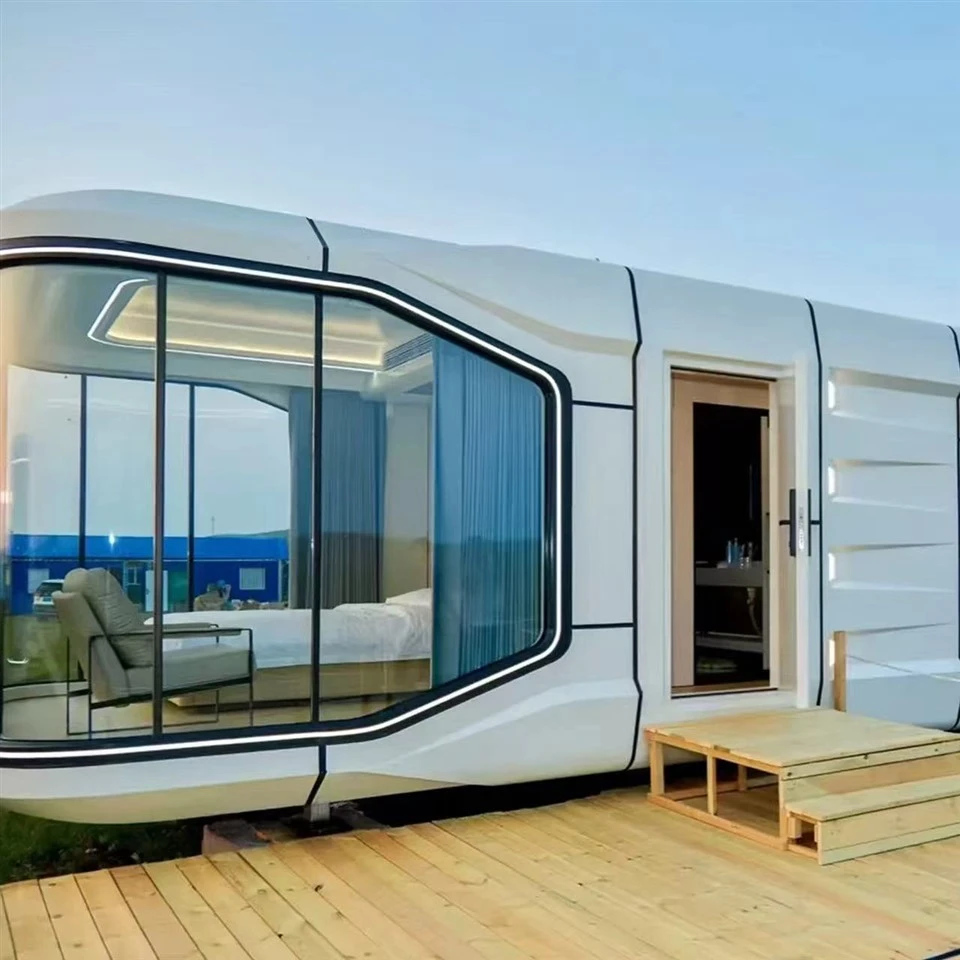
As a supplier, we offer a range of capsule hotel products, such as the Prefab Capsule House, Camp Prefab Capsule House, and Space Capsule House. Each of these products is designed with ventilation in mind.
The Prefab Capsule House is a modular and pre - fabricated solution. It is designed to be easily installed and customized. The ventilation system in the Prefab Capsule House is integrated into the modular design, ensuring that every part of the capsule receives adequate fresh air.
The Camp Prefab Capsule House is designed for outdoor and camping environments. It needs to be able to withstand different weather conditions while maintaining good air quality. Our ventilation system in the Camp Prefab Capsule House is weather - resistant and can be adjusted to adapt to changing outdoor conditions.
The Space Capsule House offers a more luxurious and high - tech experience. It is equipped with the latest ventilation technology, including advanced air purification systems. These systems can remove not only dust and pollutants but also harmful microorganisms from the air, providing guests with the cleanest and freshest air possible.
Conclusion and Call to Action
In conclusion, ventilation in capsule hotels is a complex but essential aspect of providing a comfortable and healthy stay for guests. Our approach as a supplier combines traditional ventilation methods with modern technology to ensure the best air quality.
If you are in the hospitality industry and looking to invest in high - quality capsule hotels with excellent ventilation systems, we invite you to contact us for a procurement consultation. We are committed to providing you with the best products and solutions to meet your specific needs.
References
- ASHRAE Handbook - HVAC Applications. American Society of Heating, Refrigerating and Air - Conditioning Engineers.
- "Ventilation in Small Enclosed Spaces" - Journal of Indoor Air Quality Research
- Building Ventilation Design Guide - International Code Council.